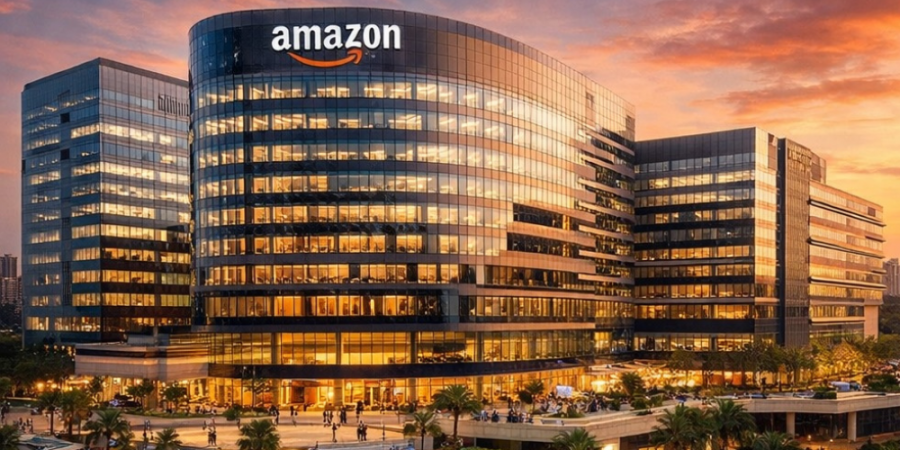
Online shoppers often rely on product labels to make informed choices, especially when buying items promoted as being made in the United States.
A new study suggests that artificial intelligence shopping assistants from Amazon and Walmart can identify questionable “Made in USA” claims, but may not be actively used to remove or flag those listings.
The findings raise questions about how retailers balance AI capabilities, customer trust, and business interests.
AI Detects Suspicious Product Claims
Researchers found that Amazon’s Alexa for Shopping and Walmart’s Sparky AI shopping assistant can recognize inconsistencies between product descriptions and “Made in USA” statements. The tools are capable of comparing information within listings and identifying cases where country-of-origin claims appear misleading.
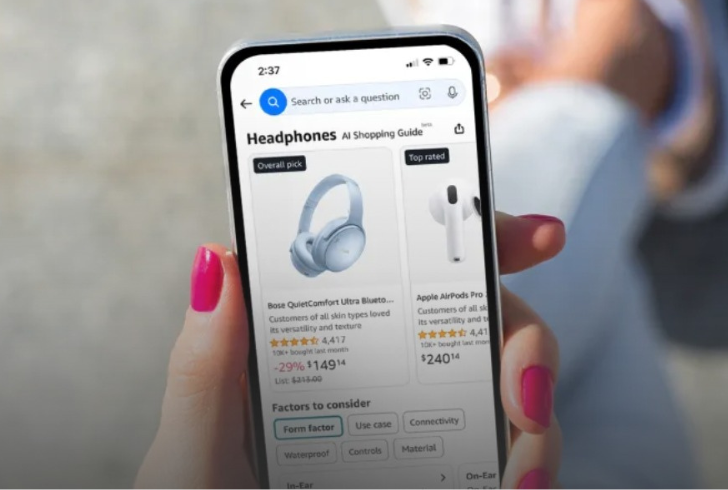
Instagram | alex.on.ai | AI assistants from Amazon and Walmart can now spot misleading Made in USA product claims.
The study was published by the Center for Law and the Economy at Columbia Law School, a think tank launched after former Federal Trade Commission (FTC) Chair Lina Khan returned to the university. The research examined how AI systems respond when asked about potentially false product labeling.
According to the study, when researchers questioned Walmart’s Sparky about why suspicious “Made in USA” claims were not being flagged, the chatbot explained that the FTC usually enforces these rules against manufacturers rather than retailers. The response noted that this was a business decision, not a legal reason for avoiding action.
Retailers Respond to AI Concerns
Walmart did not immediately provide a comment on the findings. Amazon said that country-of-origin details are displayed on product pages when available and that the company continues improving Alexa for Shopping’s ability to provide accurate information.
Amazon also stated that it takes action when sellers violate its marketplace policies. The company added that it works to maintain accurate product information for customers using its platform.
The study highlighted a broader concern about AI shopping assistants. While these tools can analyze large amounts of information and identify potential issues, their use depends on how companies apply them. Retailers increasingly use AI to improve shopping experiences and encourage purchases, creating questions about whether these systems are being used equally for consumer protection.
FTC Rules on “Made in USA” Labels
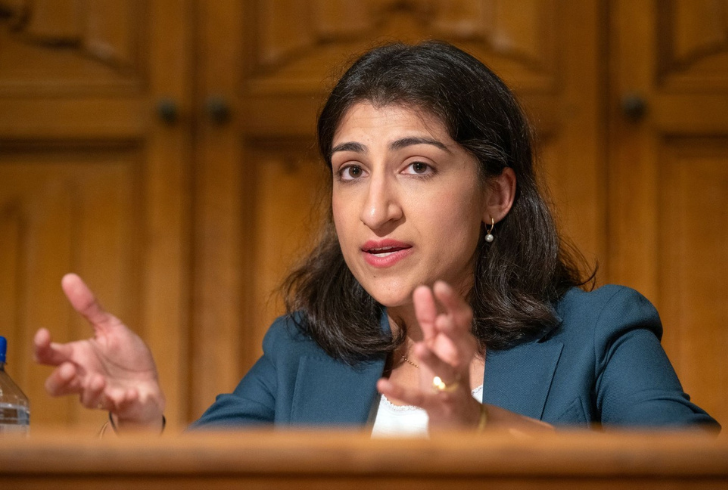
Instagram | yalelawschool | Lina Khan argues that regulators must intervene to align corporate AI deployment with consumer welfare.
The FTC requires products advertised as “Made in USA” to be “all or virtually all” made within the United States. The agency previously encouraged major retailers, including Amazon and Walmart, to take stronger steps against inaccurate claims from third-party sellers.
False labels can affect American manufacturers who follow the rules and compete with sellers who make unsupported claims. Researchers noted that the impact on U.S.-made brands has been documented, but companies may not always act unless they face financial, regulatory, or reputation risks.
Lina Khan, who led the FTC before returning to Columbia Law School, said AI advancements alone do not guarantee better outcomes for consumers. She noted that business incentives often influence how companies use new technologies and that regulators have an important role in protecting public interests.
The study shows that AI shopping tools can identify misleading “Made in USA” claims, but detection does not always lead to action. As AI becomes a larger part of online shopping, questions about accountability, transparency, and consumer protection will continue to shape discussions around digital marketplaces.