
Currency markets shifted direction on Wednesday as the US dollar gave back most of its earlier gains after Federal Reserve Chair Kevin Warsh indicated that inflation expectations and inflation risks have eased in recent weeks.
Investors are now closely watching Thursday’s US jobs report, which could shape expectations for the Federal Reserve’s next interest rate decision. At the same time, the Japanese yen recovered from its earlier losses as the dollar weakened, while traders continued to monitor developments in Japan’s currency market.
The US dollar started the day on a stronger note but lost momentum after Kevin Warsh spoke during an international panel discussion. He said US policymakers would decide whether interest rates should move higher when they meet next, adding that anyone looking for advance policy signals would “fail” to get forward guidance from him.
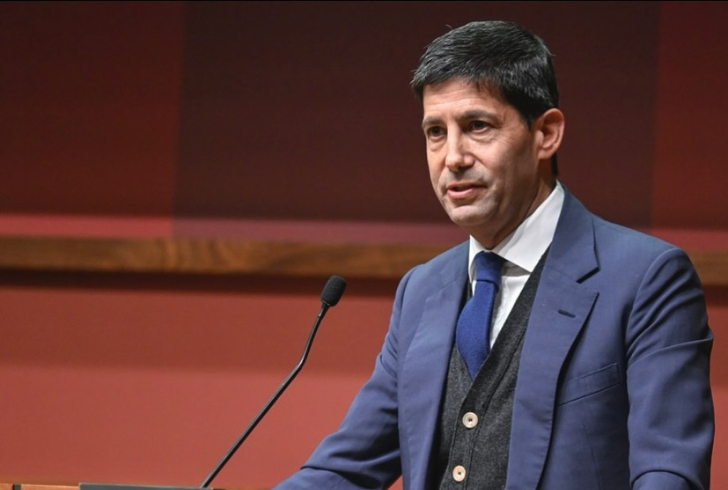
Instagram | stanfordinwashington | The US dollar slipped after Kevin Warsh refused to give advance interest rate guidance during an international panel.
Although inflation remains well above the Federal Reserve’s 2% annual target, market participants believe price pressures could continue to moderate in the coming months. That outlook reduced some of the immediate pressure for aggressive monetary tightening.
Steve Englander, Head of Global G10 FX Research and North America Macro Strategy at Standard Chartered Bank’s New York branch, said, “Nothing that we see suggests that any imbalance either on the activity side or the inflation side is growing rapidly.”
He also noted, “You can afford to wait and see how these longer-term technological trends play out. What we do see is that unit labor costs are very, very soft, and ultimately that’s what the Fed controls.”
Apart from interest rate expectations, growing investment linked to artificial intelligence has continued to attract capital into the United States, helping support the dollar despite the softer inflation outlook.
Jobs Report Remains the Main Focus
Attention has now turned to Thursday’s US employment data. According to the median estimate from economists surveyed by Reuters, employers are expected to have added 110,000 jobs in June, while the unemployment rate is projected to remain steady at 4.3%.
The labor market has consistently outperformed expectations over the past three months, strengthening confidence in the US economy. However, futures traders have slightly lowered expectations for another Federal Reserve rate increase. The probability of a September rate hike eased to 60%, compared with 65% on Tuesday.
The US Dollar Index, which tracks the greenback against a basket of major currencies including the euro and the Japanese yen, was last up 0.04% at 101.28.
Japanese Yen Stays Under Pressure
The Japanese yen has faced heavy selling during the dollar’s recent rally and earlier slipped to a 40-year low before recovering. It later strengthened 0.15% against the US dollar to 162.35 per dollar.
Japan’s top currency diplomat, Atsushi Mimura, said intervention carried out two months ago had successfully supported the yen. Bloomberg News also reported that some US officials had been “supportive” of that move.
Joey Chew, Head of Asia FX at HSBC, said Japan’s Ministry of Finance appears more comfortable with a weaker yen than in previous years. She explained that broad dollar strength across global currencies and lower oil prices have reduced pressure on the Bank of Japan to tighten policy in order to control inflation.
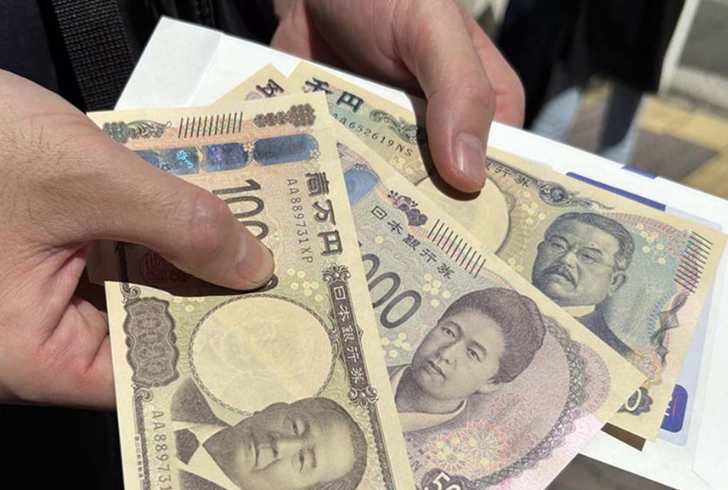
Instagram | business360nepal | After hitting a 40-year low against the surging dollar, the yen recovered slightly to 162.35.
Chew also suggested that officials could be waiting for weaker-than-expected US jobs data to naturally soften the dollar. Another possibility, she said, is that authorities are “baiting speculative yen positioning to build to even more extreme levels so as to enhance the impact of its intervention.”
Even so, Steve Englander questioned the effectiveness of intervention during periods of low trading activity. He said, “If anything, it shows weakness rather than strength,” adding that “most of the market doesn’t think it’s going to last.”
Englander also noted, “The government has made it clear it doesn’t want the (Bank of Japan) hiking very fast. The BOJ doesn’t sound like it’s in a hurry. The Japanese economy is maybe doing a little bit better than expected, but not enough to change anybody’s view.”
Euro and Bitcoin Show Mixed Performance
The euro slipped 0.24% to $1.1394 after fresh data showed eurozone inflation declined more than expected in June, falling below 3%. The latest figures eased pressure on the European Central Bank to consider additional interest rate increases.
In the cryptocurrency market, Bitcoin gained 2.14% to $59,921 after earlier dropping to $57,776, its lowest level since September 2024. The recovery highlighted continued volatility as investors balanced economic data with broader market sentiment.
Financial markets remain focused on upcoming economic data and central bank signals. Thursday’s US employment report is expected to play a major role in shaping interest rate expectations, while currency traders continue to watch developments surrounding the Japanese yen and possible government intervention.
At the same time, easing inflation trends, steady labor market conditions, and global investment flows are likely to remain the key drivers of market direction in the weeks ahead.