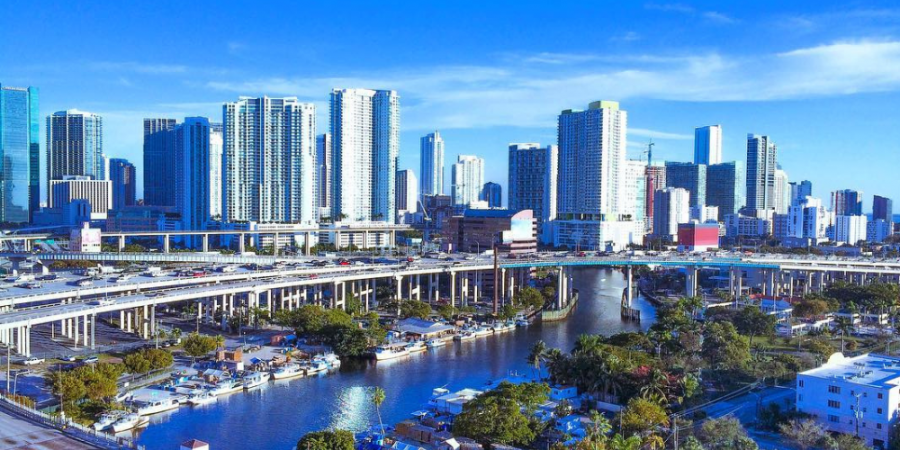
Dubai demonstrates how strategic alignment of policy, regulation, and execution can turn real estate into an engine of economic growth. Its market success reflects a unique economic model and government initiatives designed to ensure both efficiency and accountability.
For U.S. real estate leaders, Dubai provides valuable lessons in regulatory frameworks, construction pacing, luxury developments, and digital innovation—insights that could influence investment approaches back home.
Comparing Market Dynamics
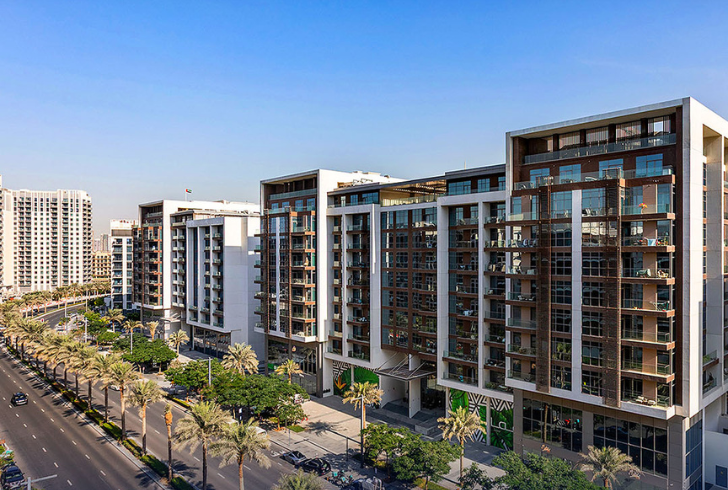
Instagram | dacharealestate | Driven by regulatory reform, Dubai’s property sector continues its massive upward trajectory.
Dubai’s property market continues to expand rapidly. Knight Frank reported a record 169,000 transactions in 2024, worth 367 billion dirhams. Overall values increased by 20%, according to Forbes Middle East. By April 2025, Property Monitor data showed that sales had surpassed 63,000 for the year—more than a 30% increase from 2024.
This growth is underpinned by systems that minimize delays and hold developers accountable. Timely project completion is incentivized, and regulatory frameworks protect investors.
Regulatory Structure
Decree No. 33 of 2020 gives Dubai a Special Tribunal to settle disputes involving unfinished or canceled projects, including reassigning projects or refunding escrowed money.
Law No. 8 of 2007 ensures escrow accounts are in place so that funds are only released after contractual obligations are met.
Reputation matters heavily for major, especially state-owned, developers. Delivering projects on schedule—or ahead of time—affects credibility as much as finances. The Dubai Land Department and the Real Estate Regulatory Agency oversee these processes.
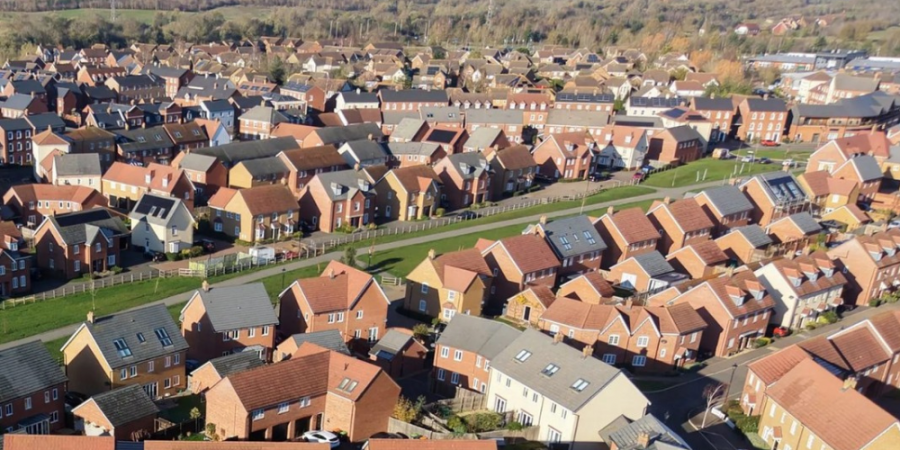
The U.S. operates differently. There’s no single federal regulator. Developers must comply with multiple laws, including the Fair Housing Act, Clean Water Act, and sometimes SEC rules, while states add their own regulations. The result is fragmented oversight and slower construction timelines.
Luxury Market Performance
Dubai’s luxury real estate segment remains strong, with high-end properties valued over $10 million seeing rising demand. Bloomberg reported that luxury property values increased 70% since the end of 2019.
In the U.S., the luxury segment is mature but faces softer pricing. Maintenance costs for high-value properties are significant, averaging around 5% of the property’s value annually. A $3 million property could cost roughly $150,000 per year to maintain.
While Dubai also imposes service charges on luxury properties, overall costs may be lower depending on location and amenities.
Digital Innovation and Tokenization
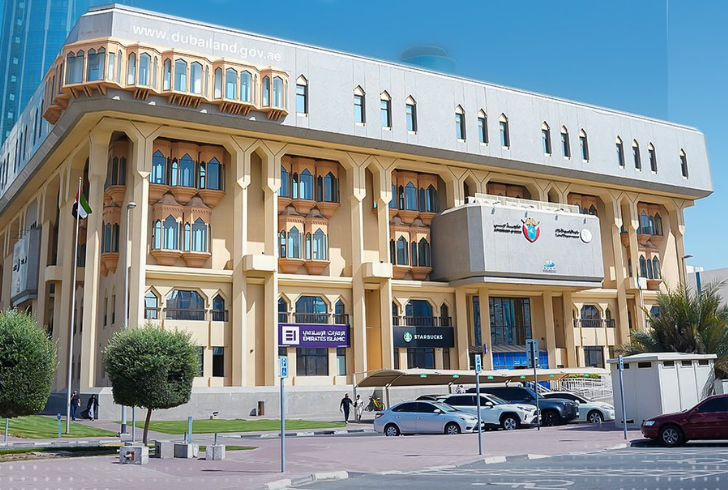
Instagram | kanebridgenews.me | Dubai Land Department adopts real estate tokenization to expand investment access.
Dubai has embraced digital solutions to expand investment opportunities. The Dubai Land Department partnered with Prypco Mint on a real estate tokenization project, enabling fractional ownership of properties. Blockchain-based tokens allow smaller investors to participate, potentially increasing the total property valuation.
The first project—a two-bedroom apartment—reached full funding in just one day, drawing 224 investors who each contributed an average of 10,714 dirhams. Similar tokenized approaches in the U.S. could invigorate the secondary market and attract younger investors, although real estate tokenization is still in its early stages.
Residency Incentives
Dubai also offers residency perks for property buyers. Through the Golden Visa program, investors purchasing properties worth 2 million dirhams (roughly $550,000) receive a 10-year residency.
The U.S. does not connect property ownership with residency, which may shape international investment choices.
Implications for U.S. Real Estate Leaders
Rules, reliable timelines, and investor protections give Dubai’s market confidence. Escrow clarity, enforceable schedules, and disciplined capital management reduce risk and ensure steadier returns.
Mid-tier private financing is still limited in Dubai. In the U.S., deep private capital networks bridge lending and equity, supporting more stable, risk-adjusted growth.
For U.S. leaders, the lesson is practical. Focus on operations, safeguard investors, and adopt financial and digital tools that strengthen global competitiveness.