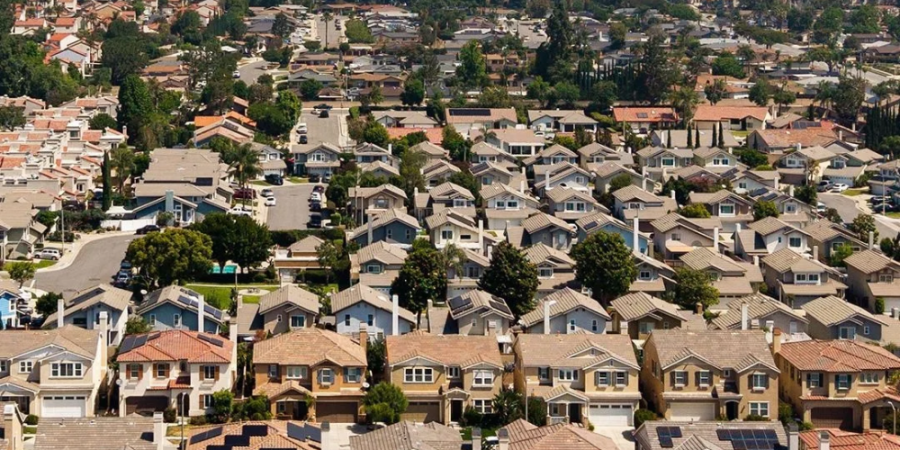
The American housing market no longer follows one national pattern. Conditions now shift sharply from city to city, shaped by local jobs, industry growth, migration trends, and even global events. While some regions face slow sales and hesitant buyers, others are seeing bidding wars return.
Selma Hepp, chief economist at real estate data firm Cotality, believes the idea of a single national housing market has faded.“There is no national market anymore at all,” Hepp said. “It’s all about locality.”
She described the national market as “slow and steady,” but added that very different stories appear when examining individual regions closely.
Local Markets Are Pulling Apart
A recent report from Hepp explained that national housing numbers now hide what she called a “complex and increasingly fractured regional landscape.” Recent sales data from the National Association of Realtors supports that view.
Existing-home sales rose in February, dropped sharply in March, and barely moved in April. Those mixed results reflect how uneven housing activity has become across the country.

Instagram | rp_realty | The US housing market has fragmented into highly localized economies driven by regional trends.
In Seattle, ongoing tech layoffs, high mortgage rates, and economic uncertainty continue to slow activity. Jenni Sandmeyer, a managing broker with Windermere Real Estate, described the market as stagnant.
Sellers now need to spend more time preparing homes before listing them. Many homeowners are also struggling to accept that prices no longer match the peak levels seen a few years ago.
At the same time, affordability remains a serious issue for middle- and lower-income buyers. Even with slightly more inventory available, many households still cannot comfortably manage monthly payments. Some buyers have stopped searching altogether due to borrowing costs staying in the high six-percent range.
Savannah’s Growth Fuels Competition
The story looks very different in Savannah. Chris Canavan of Exclusive Buyer’s Realty described the area as experiencing a “big boom of commerce.”
A major factor behind the growth is a new Hyundai Motor Company plant that has brought jobs and new residents into the region. Increased activity at the Port of Savannah and the Southeast’s growing role as a logistics center are also driving housing demand.
As more people move into the area, competition among buyers has intensified again. Bidding wars, which had cooled in many parts of the country, are reappearing in Savannah. Existing homeowners are also becoming more confident about listing properties because they expect strong demand.
Risk and Geography Matter
Housing consultant Toni Moss, founder of EuroCatalyst, said housing trends are moving away from national patterns and becoming more dependent on local realities.
Moss was among the early analysts who warned about the subprime housing bubble years ago. She now believes buyers and investors must think beyond local job markets and weather patterns. Risks tied to natural disasters, infrastructure strain, and regional economic stability are becoming more important factors in housing decisions.

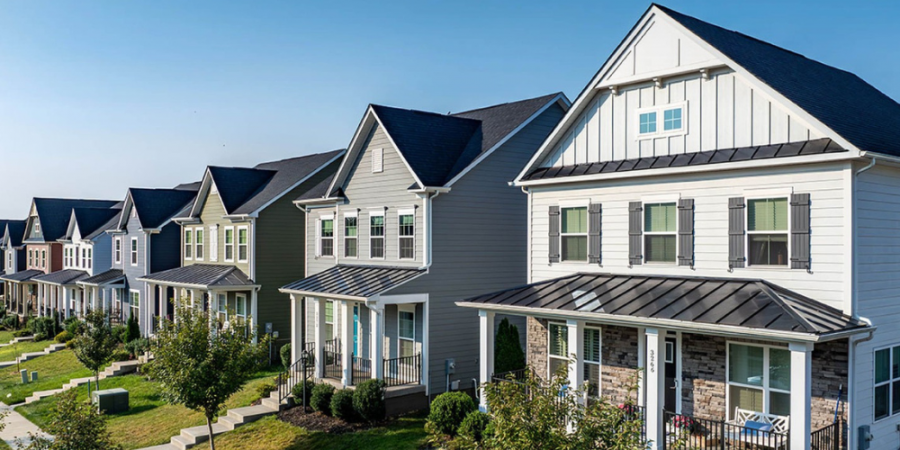
Pexels | Smart property investing now means prioritizing local climate and infrastructure risks over broad national patterns.
Moss also pointed to changes in disaster relief policies. As the federal government shifts more responsibility to states and local communities, the pressure of managing recovery costs may increasingly fall on local governments and residents.
“In the same way that we see the acceleration of income inequality among individuals, demographic groups and race, we’re going to see even greater inequality based on location,” Moss told “USA TODAY.” She added that “economic survival requires flexibility and more importantly, mobility.”
South Florida Sits in the Middle
While Seattle remains slow and Savannah runs hot, South Florida has recently occupied a middle ground.
Jeff Lichtenstein, owner and broker of Echo Fine Properties, described the region as balanced before geopolitical tensions involving Iran disrupted market confidence.
“It was kind of like the porridge and the three little bears,” Lichtenstein said. “And it’s like, what could go wrong? And then we all discovered the Strait of Hormuz.”
Lichtenstein explained that balanced markets come with their own complications. Buyers often believe they hold the advantage because inventory has improved. Sellers, meanwhile, still expect strong pricing based on previous market highs. That disconnect can slow negotiations and delay deals.
Hepp sees a similar pattern at the national level. She described the broader US housing market as a “stalemate market,” where neither buyers nor sellers fully control conditions.
The US housing market is increasingly driven by local economic conditions rather than national trends. Regional differences—such as tech layoffs in Seattle, manufacturing growth in Savannah, and shifting demand in South Florida—highlight how varied conditions have become.
Factors like mortgage rates, job growth, migration patterns, and climate risks now shape housing decisions differently across regions, making local market analysis more important than national headlines.