Real estate investors are entering a new tax environment after the introduction of the One Big Beautiful Bill Act (OB3). The updated law permanently restores 100% bonus depreciation under Section 168(k) for most qualified property acquired or placed in service after January 19, 2025.
That shift creates larger first-year deductions and may improve short-term cash flow for investors focused on property upgrades, development, or tenant improvements.
The updated rules apply to many forms of tangible property with a recovery period of 20 years or less. In many cases, both new and used property may qualify if IRS requirements are satisfied.
As a result, investors now have more flexibility when structuring renovation projects, commercial improvements, and equipment purchases.
100% Bonus Depreciation Returns Permanently

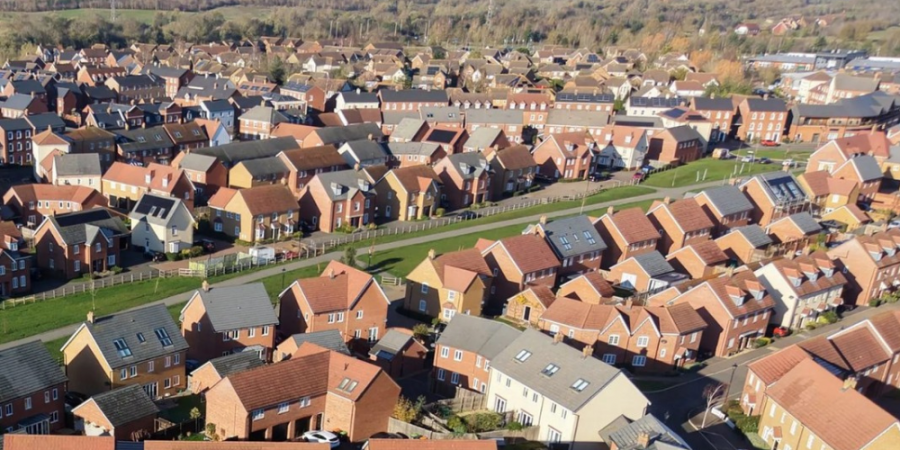
Freepik | OB3 makes 100% bonus depreciation permanent for eligible assets placed in service after January 19, 2025.
Under previous tax rules, bonus depreciation was scheduled to phase down over time. OB3 changes that approach by making 100% bonus depreciation permanent for eligible assets placed in service after January 19, 2025.
This allows taxpayers to deduct the full cost of qualifying assets during the first year instead of spreading deductions across several years. That immediate deduction can create stronger liquidity for reinvestment, property expansion, or debt reduction.
Eligible assets often include interior finishes, fixtures, specialized equipment, land improvements, certain mechanical systems, and septic tanks.
Most of these assets fall under 5-, 7-, or 15-year MACRS recovery schedules, making them eligible for accelerated depreciation treatment.
Manufacturing and Production Facilities New Rules
OB3 also introduces expanded bonus depreciation treatment for qualified production property (QPP). This category includes certain nonresidential buildings and facilities used directly in production-related activities inside the United States.
Examples may include facilities used for manufacturing, processing, refining and production operations.
Before OB3, these structures generally followed long depreciation schedules. Under new Section 168(n), qualifying businesses may now deduct the entire cost of eligible production property during the year the property is placed in service.
Several timing conditions apply. Construction must begin after January 19, 2025, and before January 1, 2029. The property must also be placed in service before January 1, 2031.
These updated provisions may significantly change tax planning for industrial developers and business owners building domestic production facilities.
Tenant Improvements May Also Qualify
The revised depreciation rules are not limited to landlords or property owners. Many tenant improvements may also qualify for immediate deductions.
Interior buildouts often meet the definition of qualified improvement property (QIP), which can now receive full first-year depreciation treatment under OB3. Depending on lease structure and ownership terms, tenants may also expense eligible systems, furniture, and equipment through Section 179 deductions.
This creates planning opportunities for retail operators, office tenants, medical practices, and industrial users investing heavily in leased spaces.
Why Cost Segregation Matters
Although residential rental property generally follows a 27.5-year depreciation schedule and commercial buildings follow a 39-year schedule, many individual building components qualify for shorter depreciation lives.
A cost segregation study separates those components into the correct asset classes. That process identifies items eligible for accelerated depreciation and potential 100% bonus depreciation treatment.
Examples often include parking lots, decorative lighting, cabinetry, flooring, dedicated electrical systems, and landscaping improvements.
With permanent bonus depreciation now available again, cost segregation studies may create substantial first-year deductions for recently acquired or newly constructed properties.
Timing also matters. Many investors complete a cost segregation study during the same tax year the property is acquired or construction finishes. Even when the study occurs later, taxpayers may still apply corrected MACRS schedules and recover missed depreciation benefits.
Situations Where Bonus Depreciation May Not Help

Freepik | Bonus depreciation is not always optimal, especially for investors already facing net operating losses.
Although 100% bonus depreciation creates large immediate deductions, it is not automatically the best choice for every taxpayer.
The IRS generally applies bonus depreciation by default unless the taxpayer elects out. Some investors may prefer longer depreciation schedules instead of generating large deductions in a single year.
This situation may apply when:
1. The taxpayer already expects a net operating loss (NOL)
2. Future tax rates are expected to increase
3. Multi-year income smoothing produces stronger tax efficiency
4. State tax treatment differs from federal depreciation rules
Longer depreciation schedules may sometimes provide better long-term planning flexibility compared to taking the entire deduction immediately.
Tax professionals often model multiple scenarios before deciding whether bonus depreciation or standard MACRS depreciation produces the better result.
The OB3 tax reform reshapes depreciation planning for real estate investors, commercial developers, tenants, and production facility owners. Permanent 100% bonus depreciation under Section 168(k), expanded treatment for qualified production property, and broader opportunities through cost segregation studies may significantly affect investment cash flow and tax timing.
At the same time, accelerated deductions are not universally beneficial. Careful analysis of income projections, ownership structure, future tax exposure, and depreciation schedules remains essential before making elections under the updated law.