Climate pledges from large technology companies often receive strong public attention. These commitments promise deep emission cuts and long-term sustainability goals. Yet a complicated issue sits behind those promises. The rapid expansion of artificial intelligence infrastructure requires massive data centers, and building them demands materials such as steel and concrete that carry heavy carbon footprints.
At the same time, global standards for measuring corporate emissions are under review. The Greenhouse Gas Protocol, the framework used in most corporate climate disclosures, is undergoing its most significant update in more than ten years. The outcome could reshape how companies report emissions and how they claim environmental progress.
A new idea gaining traction inside the tech sector may soon become part of that framework. It centers on environmental attribute certificates, often called EACs. Supporters see them as a flexible way to fund low-carbon materials. Critics question whether they blur the line between real emission cuts and accounting adjustments.
Carbon Accounting Standards Under Review
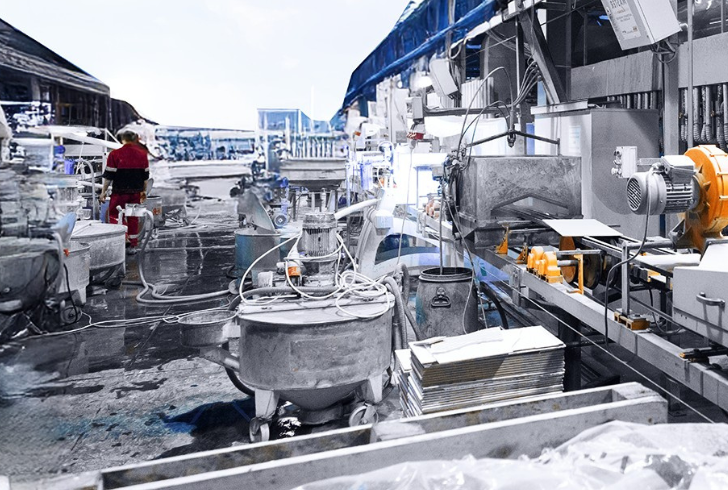
Instagram | waaree.group | Tech giants’ green pledges are increasingly undermined by the massive carbon footprint of AI-driven data center construction.
Corporate climate reporting relies heavily on the Greenhouse Gas Protocol. This nonprofit framework guides how businesses measure and disclose greenhouse gas emissions. Governments and regulators around the world reference it when designing mandatory reporting rules.
Several regions already rely on these standards for corporate disclosures, including:
– California
– The European Union
– Japan
Because of this influence, any revision to the protocol can reshape climate reporting for thousands of companies. The current overhaul may introduce a new method that allows companies to record a “contractual greenhouse gas inventory” alongside the traditional physical inventory.
This idea could open the door for broader use of environmental attribute certificates.
Big Tech’s Construction Challenge
Major technology companies face a difficult balancing act. Firms such as Amazon, Google, Meta, and Microsoft have all announced ambitious climate targets. Many promise to reach net-zero emissions or dramatically reduce their carbon footprint.
However, the rapid growth of artificial intelligence has triggered a global data-center building surge. Each facility requires huge quantities of carbon-intensive materials, including steel and cement. Production of those materials releases significant greenhouse gases.
As construction accelerates, the gap between climate commitments and industrial reality becomes clear. The technology sector is now searching for ways to encourage low-carbon materials even when those materials are not available near construction sites.
Environmental Attribute Certificates
Environmental attribute certificates introduce a different approach to emission accounting. Instead of linking environmental benefits strictly to the physical materials used in a project, the system allows companies to claim the climate benefit from supporting cleaner production elsewhere.
Consider a data center built in Singapore. If low-carbon cement is unavailable locally, the builder might rely on conventional cement. Under the EAC model, the company could purchase certificates tied to low-carbon cement produced at another facility.
For instance, a manufacturer such as Ecocem operates production sites in France and Ireland. A local construction firm near those plants might use the cement. Yet the environmental benefit could be credited to the tech company purchasing the certificate.
Supporters describe the system as a way to address supply and demand mismatches. Instead of transporting low-carbon materials across long distances, companies can fund cleaner production closer to its source.
Industry Groups Promoting the Concept
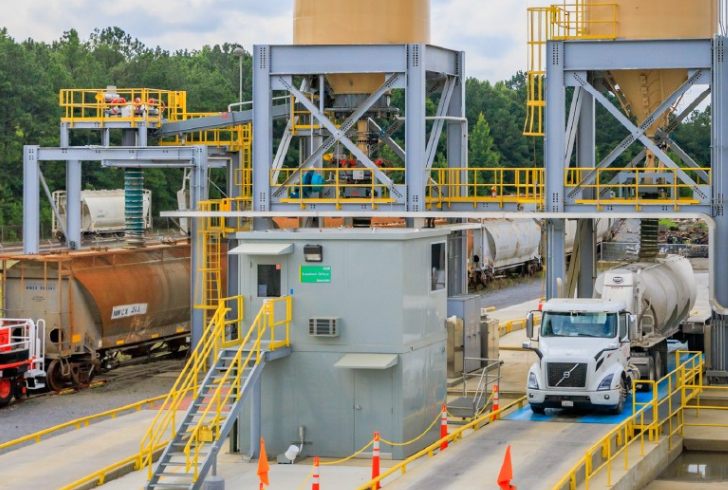
Instagram | climateactionreserve | Tech giants like Meta and Amazon are partnering with RMI to lead the push for sustainable concrete EACs.
A coalition called the Sustainable Concrete Buyers Alliance has played a leading role in promoting this model. The group launched in September through the climate think tank RMI.
Membership includes several major technology companies such as Amazon, Google, and Meta. These firms joined cement producers and industry experts in a corporate working group that developed proposed guidelines for EAC use in cement and concrete markets.
Earlier this month, RMI released those guidelines. The goal is to create a consistent system that companies can rely on when reporting emissions linked to construction materials.
Heather House, who leads cement and concrete initiatives at RMI, described the challenge clearly. According to House, some technology companies are ready to invest in emerging low-carbon materials but often cannot locate enough supply near construction sites. A mechanism that bridges the distance between supply and demand could encourage wider adoption of cleaner materials.
Early Deals Signal Growing Interest
Even before global standards finalize the rules, several technology companies have begun experimenting with the concept.
Microsoft signed a deal for environmental attribute certificates covering 622,500 tonnes of low-carbon cement from Sublime Systems, a firm based in Boston. The startup planned to build its first production plant with help from an $87 million government grant. Construction has since paused after the funding was cancelled.
Meanwhile, Meta applied a similar idea in steel procurement. In October, the company signed an agreement with Electra, which develops electrochemical technology designed to replace coal-fueled blast furnaces.
These agreements suggest that technology companies view EACs as a practical path to support emerging low-carbon materials.
Concerns About Accounting Loopholes
Despite growing interest, environmental attribute certificates also raise questions. Critics often compare them with renewable energy certificates, commonly called RECs.
RECs allow companies to claim environmental credit for renewable electricity even if that electricity does not power their operations directly. These certificates are already permitted under the Greenhouse Gas Protocol and are widely used by technology companies.
The concern centers on “unbundled” RECs. Renewable power projects such as solar or wind farms have become cost-competitive with fossil fuel generation. Because of this shift, developers may build projects without relying on certificate revenue. When companies purchase RECs in those cases, the certificates may not lead to additional clean energy generation.
That dynamic creates the risk that firms could report lower emissions while the real-world energy system remains unchanged.
Why Cement and Steel Are Different
Supporters of EACs argue that cement and steel operate under very different conditions. Clean production technology in these sectors remains at an early stage. Startups continue to experiment with new chemical processes and manufacturing techniques designed to eliminate emissions.
At the moment, these innovations require heavy investment and years of development before reaching large-scale production. The cement and steel industries together account for roughly 14 percent of global greenhouse gas emissions, yet no widely adopted path to zero-emission production exists.
Because of this gap, supporters believe environmental attribute certificates could channel funding into promising technologies that still lack strong market demand.
Direct Investment Signals Another Path

Instagram | the_mainstreamofficial | Amazon’s deal with Brimstone leverages carbon-free, calcium-silicate cement to slash construction emissions.
Another strategy has begun appearing in the cement industry: long-term purchase agreements for low-carbon materials.
In August, Amazon signed a long-term deal with Brimstone, a company based in California. Brimstone produces cement using calcium silicate rather than calcium carbonate. This shift avoids the carbon dioxide released during traditional cement production.
Such agreements remain rare in the cement market. Yet they provide a powerful demand signal to startups seeking funding for large-scale manufacturing.
Brimstone founder Cody Finke emphasized that the cement industry may not deserve its reputation as impossible to decarbonize. According to Finke, the challenge revolves around chemistry rather than fundamental technological barriers. Large-scale capital investment, paired with scientific progress, could bring major changes to the industry.
The Future of Carbon Accounting
Environmental attribute certificates represent a new chapter in climate reporting. Technology companies view them as a flexible method to support low-carbon materials when supply chains cannot deliver those materials directly to construction projects.
Still, the system will require strict rules and transparent pricing to maintain credibility. If certificates become too cheap, they risk being viewed as accounting tricks rather than real climate solutions. If prices climb too high, companies may avoid them entirely.
The ongoing update of the Greenhouse Gas Protocol and related standards from the Science Based Targets initiative will shape how these certificates function in corporate climate reporting.
Meanwhile, heavy industries such as cement and steel continue searching for viable paths toward low-carbon production. Investment in new chemistry, new processes, and new infrastructure will determine whether those sectors can reduce emissions at scale. Environmental attribute certificates may play a role, yet their effectiveness will depend on clear standards and genuine financial support for cleaner technology.